01 /
Member records
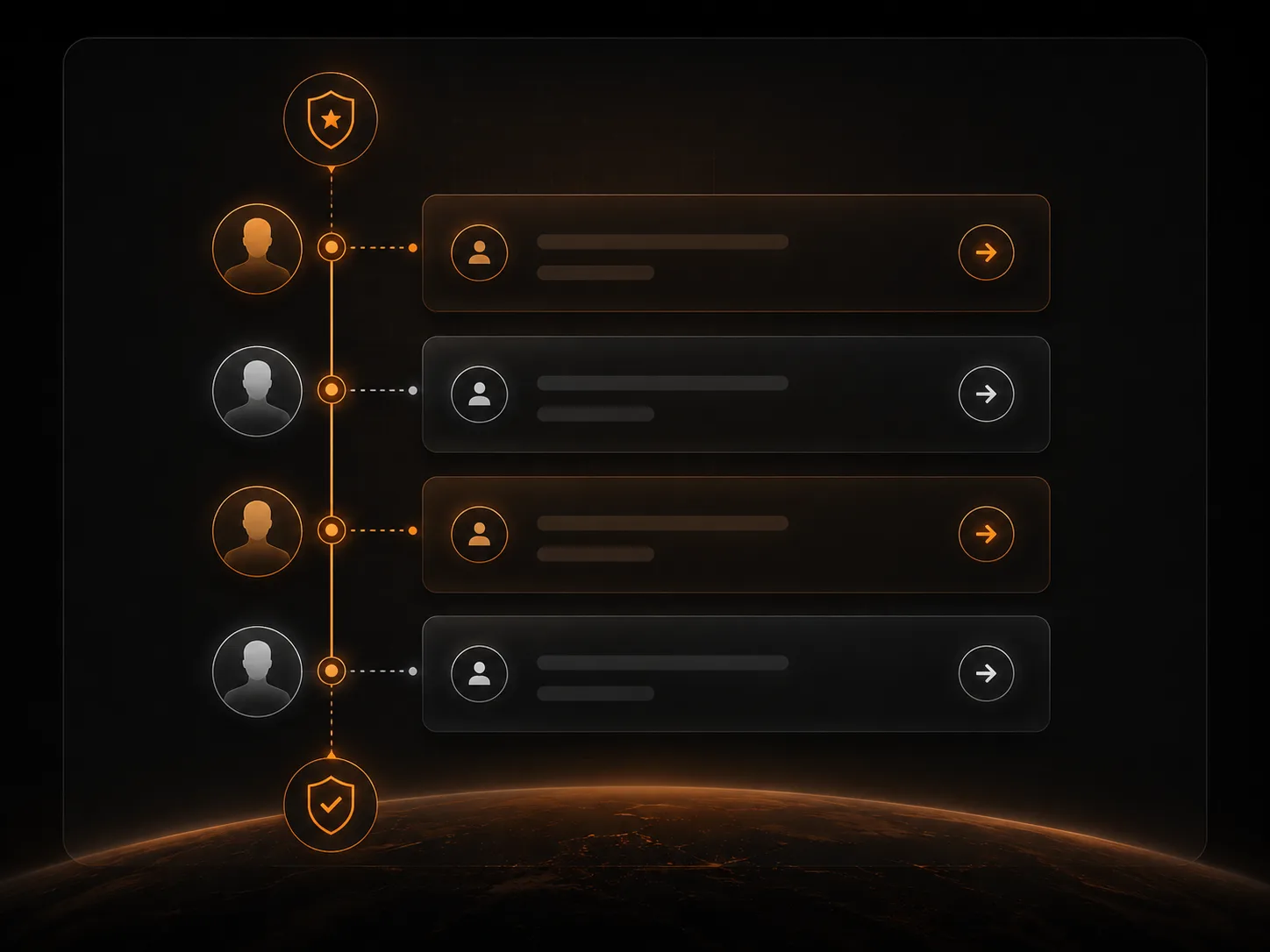
Join requests, approvals, suspensions, and departures — each with a date and the person who decided it.
Space Codex keeps your members, committee structure, events, and dues in one system — so nothing walks out the door when the committee changes.
Community

Space Codex is built for groups with a committee, a calendar, and dues to collect. Every role, term of office, registration, attendance, and payment stays attached to the community rather than to whoever happened to keep the file. When the next committee takes over, the record is already there.
Not a chat room with extra steps. The structure a committee already has — divisions, positions, terms — modeled properly.


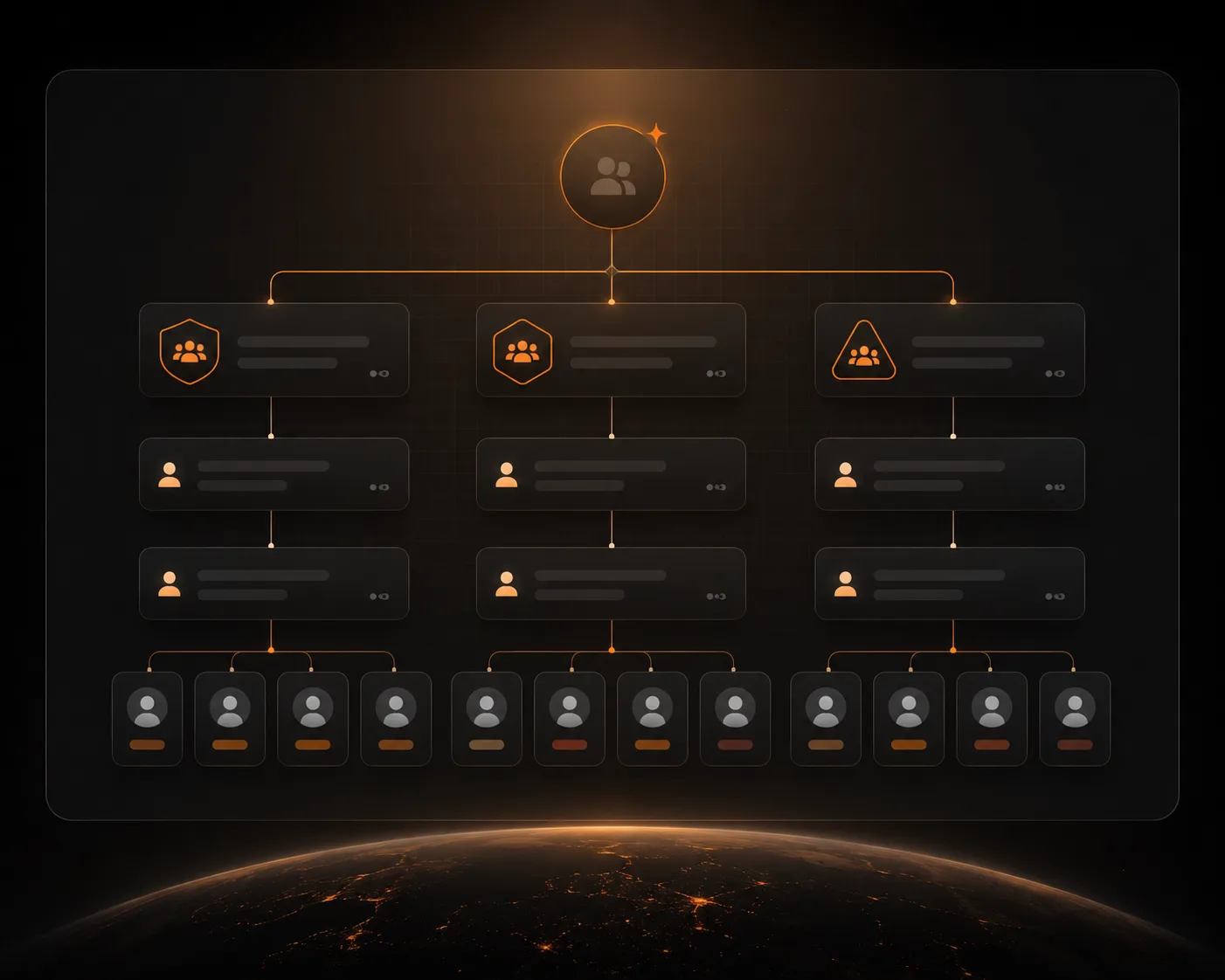
Positions carry a term and a history. When a new committee arrives, nothing has to be reconstructed from memory.
Join requests, approvals, suspensions, and departures — each with a date and the person who decided it.
Nested units and positions with capacity and term history, so the structure on paper is the structure in the system.
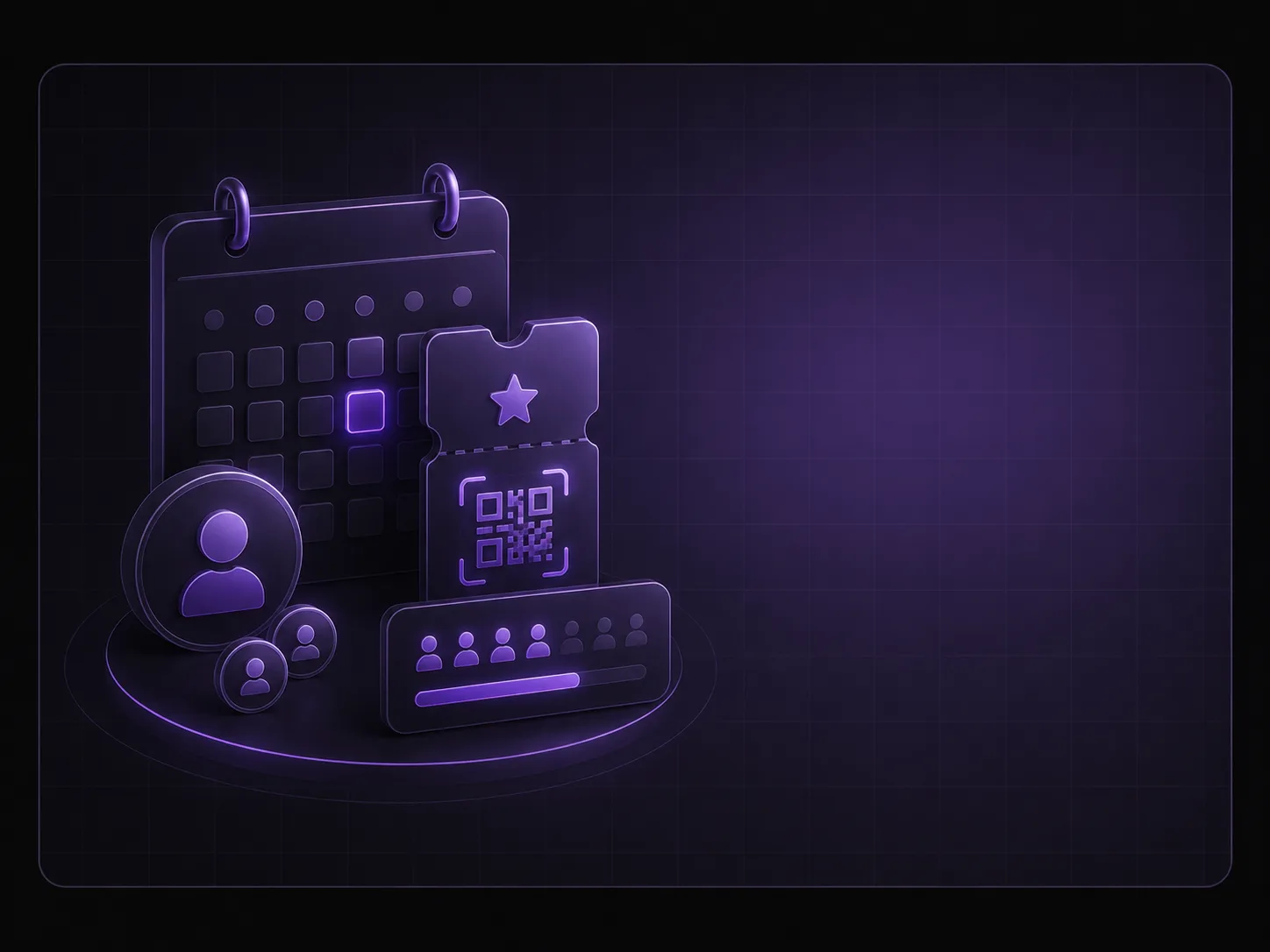
Registration bounded by real capacity, and single-use check-in codes that cannot be passed around.
Approvals, role changes, and event activity stay attached to the community instead of disappearing in chat history.

Every meeting below is run by an organization on Space Codex. Registration, capacity, and attendance are handled on the platform.
Published events from public communities appear here automatically. Nothing is listed until a committee publishes it.
Publish the first one ↗Student bodies, associations, alumni networks, and clubs — each with its own committee, dues, and members, kept apart from every other.
Four things the platform does for a community, from the day it is created.
One tenant per community, with its own slug, settings, and an owner role that cannot be removed by accident.
Nested units, positions, and custom roles. Permissions are checked on the server for every action, never in the browser.
Nested activities, publication lifecycle, registration with real capacity limits, and check-in codes that cannot be reused.
Member history, role assignments, event decisions, and approvals stay attached to the community.
Free while your group is small, and no card to begin. Bring your committee, run one event, and judge it on whether the record is still right afterwards.
Roles, terms, and decisions belong to the community, not to a file on someone's laptop.
Every action is authorized where it cannot be edited from a browser console.
Registrations are counted under a row lock, so the participant limit cannot be exceeded.
Member status is visible, role boundaries are explicit, and admin actions leave a record.